


There appears to be a serious glitch in the market for options of exchange traded products. Unlike when an underlying stock splits and options adjust accordingly, when an ETP changes its strategy or rebalances - like the U.S. Oil Fund (USO) product did months ago, buying longer dated oil futures - options on that product do not adjust accordingly.
In fact, USO underwent several changes to try and save itself and respond to regulatory concerns when oil crashed. The fund survived, but those who bet on its demise were unfairly hurt on the trade. USO said it was just acting in accordance with its prospectus, which authorized the potential moves.
This type of impasse for options has cost holders "hundreds of millions of dollars", according Robert Whaley, the man who created the VIX index. He has been sounding the alarm on the "glitch" recently, as covered by Bloomberg.
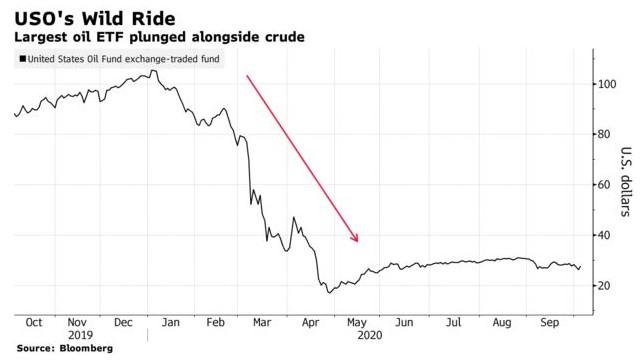
And ETPs have adjusted their strategies more than usual in 2020, given the market's volatility.
Whaley thinks that the market and regulators simply haven't caught on yet. He told Bloomberg: “These things don’t occur that often, but at the same time they have occurred with increasing frequency in past months. I’m interested in issues of market integrity, and this is the antithesis to me.”
He continued:
“As they’re making these changes, what they’re doing is they’re reducing the volatility of a product. That reduces the value if you bought an option.”
And while this would have been a smaller concern in years past, the market for ETP options has skyrocketed. $47 billion worth of ETF derivatives...